

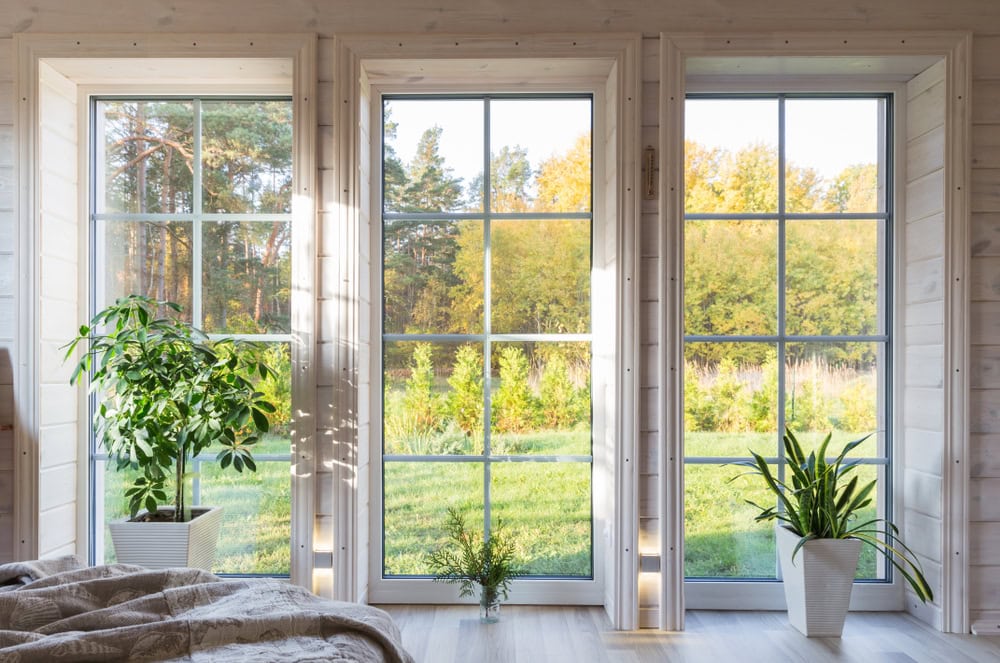
Floor-to-ceiling windows are a stunning architectural feature that can transform a home, offering breathtaking views, abundant natural light, and an enhanced connection to the outdoors. Whether you’re updating a modern home in Seattle, WA or designing a luxury home in Austin, TX, these expansive windows create a sleek, open feel.
This Redfin guide covers everything you need to know about floor-to-ceiling windows, from their benefits and cost considerations to installation tips and maintenance best practices.
What are floor-to-ceiling windows?
Floor-to-ceiling windows are expansive glass panels that extend from the floor to the ceiling, maximizing natural light and providing uninterrupted views of the outdoors. Unlike standard windows, they create an open, airy feel, often eliminating bulky framing to enhance the sense of space.
These windows can be fixed or operable and come in a variety of materials, including aluminum, vinyl, wood, and fiberglass. While they are commonly used in modern architecture, they can also be integrated into traditional homes to add a sleek, contemporary touch.
Benefits of floor-to-ceiling windows
1. Natural light maximization
Floor-to-ceiling windows flood interiors with natural light, reducing the need for artificial lighting during the day. This can lead to lower electricity bills and create a bright, inviting atmosphere.
Smart Window Company notes that “floor-to-ceiling windows can completely transform a space by maximizing natural light, enhancing views, and improving energy efficiency. With the right choices, your windows can also provide noise reduction, safety enhancements, and UV protection, all while maintaining a bright and comfortable atmosphere. Installation can often be completed in just one day, making it a hassle-free upgrade.
2. Unobstructed views
One of the primary reasons homeowners choose floor-to-ceiling windows is for the panoramic views they provide. Whether overlooking a city skyline, lush garden, or oceanfront, these windows make the outdoors feel like an extension of your living space.
Pella of DFW says that “floor-to-ceiling windows can transform a space by maximizing natural light and enhancing indoor-outdoor connectivity, but they require careful planning. Before committing, it’s important to consider privacy solutions, structural reinforcements, and the long-term maintenance of large glass surfaces.”
3. Increased home value
Homes with expansive windows often command higher resale values due to their modern aesthetic and premium feel. They can make rooms appear larger and more luxurious, appealing to potential buyers.
The Home Doctor explains that “floor-to-ceiling windows not only create a dramatic aesthetic but also flood interiors with natural light, enhancing both ambiance and energy efficiency. While renovation costs can vary depending on materials and installation specifics, I’ve found that investing in quality windows pays off with improved insulation and reduced energy bills. It’s essential to work with experienced professionals to ensure timelines are realistic and installation is seamless, ultimately providing homeowners with both style and long-term value.”
Curious how floor-to-ceiling windows could impact your home’s value? Use Redfin’s Home Value Estimator to get an instant estimate.
4. Improved mood and well-being
Exposure to natural light is linked to improved mood, better sleep, and increased productivity. Floor-to-ceiling windows allow more sunlight to enter the home, promoting a healthier indoor environment.
5. Energy efficiency (when using high-performance glass)
With the right type of glass, such as double or triple glazing with low-E coatings, floor-to-ceiling windows can improve a home’s insulation, reducing heat loss in winter and preventing excessive heat gain in summer.
Alpha Glass and Window, LLC recommends that “for floor-to-ceiling installations, low-iron glass is the best choice to achieve the clearest, truest view, minimizing the greenish tint often found in standard glass. Be prepared for a phased installation, which includes precision laser measurements and potential structural adjustments—these factors can extend the project timeline. While these windows dramatically enhance natural light and views, I always advise conducting a thorough energy audit to optimize insulation and prevent excessive heat transfer.”

Considerations before installing floor-to-ceiling windows
1. Privacy concerns
Large windows can expose your home to prying eyes, especially in urban or high-traffic areas. Solutions include installing blinds, curtains, or frosted glass in strategic locations to maintain privacy without sacrificing light.
Window World of South Central PA and Northwest MD advises that “before committing to floor-to-ceiling windows, homeowners should carefully consider privacy, energy efficiency, and structural modifications. Large glass panes can expose interiors to outside views, so strategic placement or tinted glass may be necessary.”
2. Structural requirements
Floor-to-ceiling windows require proper structural support. Consulting an architect or contractor is essential to ensure your home’s walls can accommodate them without compromising integrity.
Floor-to-ceiling windows require proper structural support. Stellar Windows and Doors, LLC points out that “while installation is quick for new builds—a 10’ x 9’ unit could be installed in less than a day—renovations may require carpentry adjustments, which can add time and cost. Their estimates for installation range from $15,000 to $18,000, depending on the climate and level of customization.”
3. Energy efficiency and insulation
Standard glass can result in heat loss during winter and heat gain during summer. Opt for energy-efficient options like low-E coatings, argon-filled double-glazing, or UV-protective glass to maintain indoor temperature balance.
CitiQuiet recommends that “for superior soundproofing and energy efficiency, double- or triple-paned laminated glass is the way to go. Our thermally broken aluminum frames can be manufactured in a week and installed in as little as one hour, providing fast and effective noise reduction. With prices starting at $1,000 per window, this is a cost-effective solution for city dwellers looking to reduce outside noise while maintaining energy efficiency.”
4. Cost of installation and maintenance
Large glass panels can be expensive to install and maintain. Ensure your budget covers both the initial investment and long-term cleaning and upkeep.
5. Safety and security
Tempered or laminated glass should be used to enhance durability and security. Consider window treatments that provide reinforcement against break-ins, particularly if the windows are easily accessible from the outside.
Cost of floor-to-ceiling windows
The cost of installing floor-to-ceiling windows varies based on several factors, including window size, material, glass type, and labor. Here’s a breakdown of what to expect:
Glass type: Basic single-pane glass is more affordable but lacks insulation. Double or triple glazing with low-E coatings and argon gas filling costs more but enhances energy efficiency.
Frame material: Aluminum and vinyl frames are budget-friendly, while wood and fiberglass options tend to be more expensive but offer superior aesthetics and durability.
Installation costs: Professional installation typically ranges from $150 to $500 per square foot, depending on complexity, labor fees, and region.
Customization and additional features: If you opt for motorized blinds, reinforced security glass, or custom shapes, expect added costs.
On average, a standard floor-to-ceiling window installation for a living room can range between $3,000 and $15,000, while high-end designs can exceed $30,000. It’s essential to get multiple quotes from contractors to find the best deal for your budget.
Expert tips for choosing the best materials
Accoya wood for durability: “Balancing aesthetics and performance is key when choosing floor-to-ceiling windows,” says Ritikaa Wood. “I often recommend Accoya wood for its exceptional stability, as it resists swelling and shrinking, making it an ideal choice for long-term durability. Homeowners should also consider lead times of 6–8 weeks for custom windows and ensure proper structural reinforcement to maintain integrity.”
Custom oak for timeless elegance: ”For a blend ofurability and aesthetics, I recommend custom oak framing paired with high-quality glazing for a timeless, energy-efficient solution,” shares Maison Janneau. “While it is a premium investment, I’ve seen that floor-to-ceiling windows can significantly boost a home’s resale value. For those looking to blend historic charm with modern functionality, authentic French-style windows with transoms create an elegant and luxurious appearance.”
Fiberglass for strength and a slim profile: “For expansive floor-to-ceiling windows, fiberglass is the top choice due to its strength, stability, and slim profile,” recommends Progressive Windows and Doors. “While wood offers timeless beauty and insulation, I’ve found that it requires more maintenance at larger scales. At Progressive Building Supply, our fiberglass solutions consistently provide the best blend of aesthetics and performance, making them a reliable option for homeowners seeking durability with a modern look.”
Aluminum and fiberglass for a modern look: ”For maximized glass area and a sleek, modern look, I recommend opting for high-strength aluminum or fiberglass frames,” Impact Windows Center. “Installation timelines can range from a few days to several weeks, depending on the need for structural modifications. Homeowners should budget $150 to $300+ per square foot, with full project costs reaching between $10,000 and $50,000. To enhance energy efficiency, I suggest considering low-E coatings, and if your home is close to neighbors, planning for privacy solutions is essential.”

Best window treatments for floor-to-ceiling windows
Sheer curtains: Allow light to filter in while maintaining privacy.
Motorized blinds: Provide convenience and a sleek, modern look.
Solar shades: Reduce glare and protect furniture from UV rays.
Blackout curtains: Ideal for bedrooms where full darkness is preferred.
Window World of Clarksville shares that “you can elevate the look of your home with custom-made windows, available in multiple styles and colors. Our windows feature a combination of UV-filtering Low-E glass, insulating argon gas, and a warm-edge spacer system, providing significant energy efficiency. This combination can reduce UV energy by over 75%, helping to prevent fading of carpets, curtains, and furniture..”
“Floor-to-ceiling windows make a stunning design statement, but the right window treatment is key to balancing light, privacy, and budget,” says SelectBlinds. “When choosing between blinds and curtains, homeowners should consider both functionality and long-term value. Sheer curtains soften the space, solar shades help reduce glare and UV exposure, motorized blinds add convenience for tall windows, and blackout options are ideal for bedrooms.”
Maintenance tips for floor-to-ceiling windows
Regular cleaning: Large windows require frequent cleaning to maintain their clear appearance. Use a glass cleaner and microfiber cloth to prevent streaks, or hire professional window cleaning services for high or difficult-to-reach areas.
Inspect for sealant issues: Check the seals around the windows for cracks or leaks to prevent drafts and water damage.
Protect against moisture and mold: Condensation can accumulate on large glass surfaces. Ensure proper ventilation to prevent mold growth around window frames.
Alternatives to floor-to-ceiling windows
While floor-to-ceiling windows create a dramatic effect, they may not be suitable for every home due to cost, privacy, or structural concerns. Here are some great alternatives that still provide ample natural light and expansive views:
1. Sliding glass doors
Sliding glass doors offer the same open feel as floor-to-ceiling windows but provide functionality by allowing easy access to outdoor spaces. They are ideal for patios, balconies, and backyard exits while maintaining a sleek, modern look.
Metal And Hammer notes that “modern bifold and sliding doors are an excellent alternative to traditional floor-to-ceiling windows, offering expansive views and seamless indoor-outdoor integration. In my experience, these upgrades can significantly increase a home’s resale value, though ROI varies depending on location and market conditions. To ensure longevity and a lasting aesthetic boost, I always recommend choosing high-quality materials.”
2. Picture windows
For those who want uninterrupted views without opening mechanisms, picture windows are a great option. These large, fixed-pane windows allow maximum natural light and outdoor visibility without the need for extensive structural modifications.
Mammoth Lakes Resort Realty advises that “for durability, fixed-pane ‘picture frame’ windows are the best option for floor-to-ceiling installations, as larger windows typically don’t open. In my experience, installation takes about 2 to 4 days, with full-home window replacements costing between $30,000 and $35,000. Large floor-to-ceiling windows start at $1,500+ per window, depending on size and materials. Homeowners should also be prepared for dust and disruption, as the process often involves removing old windows and making potential structural reinforcements.”
3. Clerestory windows
Clerestory windows are placed high on walls, allowing natural light to flood a room while maintaining privacy. They are an excellent choice for bedrooms or bathrooms where full floor-to-ceiling exposure may not be ideal.
4. Bay or bow windows
Bay and bow windows extend outward from a home’s façade, creating a cozy alcove while enhancing natural light. They provide wide-angle views and extra seating or storage space, making them a versatile alternative.
5. Multi-panel folding or bifold doors
Bifold doors can transform an indoor space into an open-air experience. They fold away to connect indoor and outdoor areas seamlessly, making them an excellent alternative for entertainment spaces or modern open-concept designs.
Tier One Custom Windows explains that “for a sleek, high-performance design, thermally broken aluminum and steel-reinforced frames provide durability with minimal sightlines. I often recommend multi-slide, pivot, or bi-fold systems to maximize glass area while maintaining insulation. Low-E glass with argon fill enhances energy efficiency, and impact-rated options offer crucial protection in high-wind zones. For added convenience, motorized shades or smart glass can help manage heat gain and privacy in oversized openings.”
6. Transom windows
Transom windows are narrow horizontal windows placed above doors or standard windows. They provide additional daylight without compromising privacy and work well in rooms that need extra light without major renovations.

Frequently asked questions about floor-to-ceiling windows
1. Are floor-to-ceiling windows safe?
Yes, when installed with tempered or laminated glass, floor-to-ceiling windows are highly durable and safe. Additional security features, such as reinforced frames and locking mechanisms, can enhance safety.
2. Do floor-to-ceiling windows increase energy costs?
They can if standard glass is used, but energy-efficient options like double glazing and low-E coatings can help regulate indoor temperatures and reduce energy costs.
3. How do you clean floor-to-ceiling windows?
Regular cleaning with a glass cleaner and microfiber cloth is recommended. For hard-to-reach areas, consider hiring professional window cleaners.
4. Can I install blinds or curtains on floor-to-ceiling windows?
Yes, motorized blinds, sheer curtains, and solar shades are popular choices for maintaining privacy and controlling light.
5. Do floor-to-ceiling windows add value to a home?
Yes, they enhance aesthetic appeal, increase natural light, and provide unobstructed views, which can boost property value.
