




America is entering a new infrastructure race. In the 19th century, railroads determined which cities prospered. In the 20th century, airports and interstate highways reshaped the economic map of the country. Now, in the age of artificial intelligence, the defining infrastructure of the 21st century is digital. Data centers are critical to this transformation.
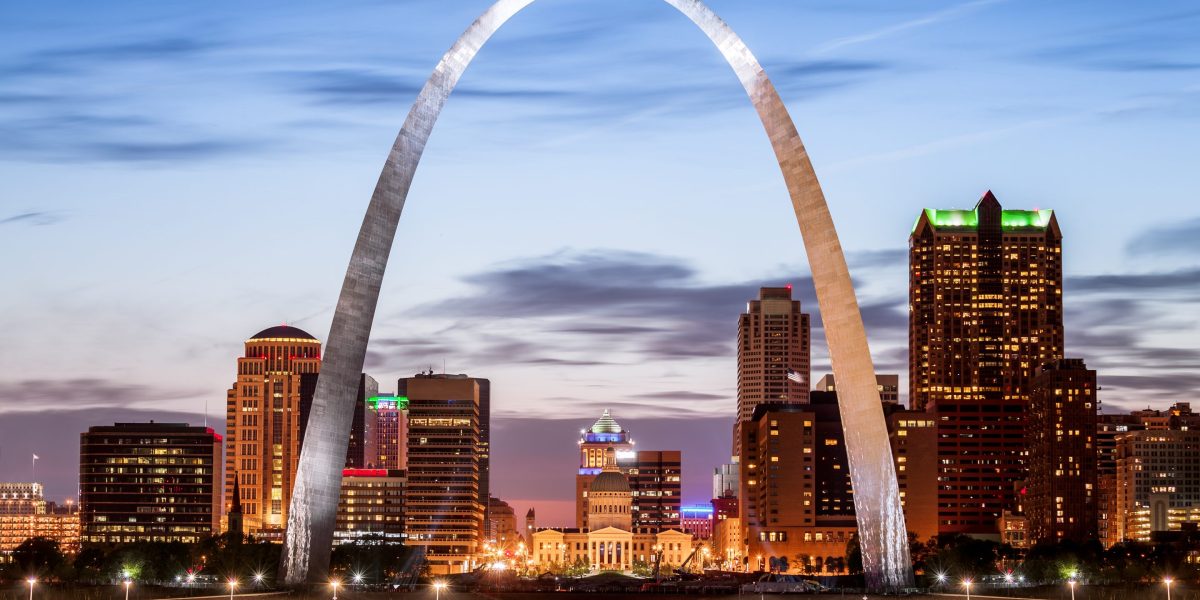
Across the country, communities are deciding whether to compete for the industries powering the future economy. While some cities such as Minneapolis and states like New York are pumping the brakes to allow time for officials to develop regulations and processes for managing fast-moving projects, the St. Louis region has decided to compete now.
We are not approaching this era recklessly or without accountability, but with a clear understanding that the future economy will require enormous computing capacity and that regions unwilling to embrace digital infrastructure are likely to fall behind.
Data center facilities are no longer simply warehouses full of servers. They are the operational backbone of artificial intelligence systems, research institutions, cybersecurity networks, healthcare platforms, defense technology, logistics systems, and advanced manufacturing.
Our region already possesses many of the assets digital infrastructure companies are seeking: a central geographic location, a highly trained workforce, strong logistics networks, lower operating costs than many coastal markets, and a deep concentration of aerospace, geospatial, manufacturing, and defense industries. At the same time, St. Louis leaders understand that growth must come with community engagement and responsible planning.
Communities deserve transparency and residents deserve a voice in how projects are developed. Responsible growth requires balancing competitiveness with quality-of-life concerns.
In response to public concerns surrounding data center development, the City of St. Louis has spent more than a year developing a citywide regulatory framework to address land use, emissions, water consumption and neighborhood compatibility. The Board of Aldermen is currently working through that framework, weighing amendments from a range of stakeholders before final vote – a process that reflects real input and negotiation among city officials, labor, business, and residents.
The concerns residents have raised about water and energy use deserve to be taken seriously. Data centers draw real amounts of both, and the public is right to ask about those impacts. And in truth, the answers to these questions are not yet known. The developers behind St. Louis’ Armory Innovation District, a project anchored by a data center built for the high-intensity computing that trains and runs artificial intelligence, have not released specific water and energy consumption figures, in part because the facility does not yet have a tenant. What is known is that the data center would draw an estimated 120 megawatts, enough to make it the first large-scale project in the city.
These questions are exactly why a rigorous review process matters. When the St. Louis Board of Adjustment upheld the project’s conditional use permit on July 30, it voted unanimously and attached binding conditions aimed at the concerns residents raised. The Board barred the operator from testing backup diesel generators on poor air quality days and required the facility to supply a minimum of two percent of its own power from renewable sources. Earlier commitments require the developer to pay for any water infrastructure improvements the site needs and to contribute $15.7 million to a community fund. Large data centers also face new Ameren Missouri electric rates that take effect at 75 megawatts, so the heaviest users pay for the capacity they draw.
Technological advancements are part of the picture as well. Cooling and efficiency designs are improving quickly, and newer facilities use less water than older ones. However, that progress does not settle every concern, which is why the conditions attached to this permit matter. They are designed to hold the developer accountable as the project advances, create substantial construction demand for skilled trades workers and support long-term careers in engineering, cybersecurity and advanced technology operations.
To that end, the region is already seeing the scale of investment flowing into digital infrastructure. The roughly $3 billion Armory project is expected to generate approximately $432 million in tax revenue over its first decade – more than $206 million of which would go to St. Louis Public Schools – along with more than 1,050 construction jobs and roughly 200 permanent on-site positions.
St. Louis is also home to the largest single federal investment in its history. In 2025, the National Geospatial-Intelligence Agency opened its $1.7 billion NGA West campus in North St. Louis. NGA West employs a workforce of roughly 3,150 built around geospatial intelligence, which is increasingly powered by artificial intelligence. NGA West now anchors the region’s $5 billion geospatial economy that supports an estimated 27,000 jobs across the bi-state region.
The momentum—and job creation that follows it—spans across Missouri. In Montgomery County, Google announced a $15 billion data center that state officials called the largest single private investment in Missouri history, with commitments to train more than 2,300 construction workers and to pay for all of the power and new infrastructure the facility requires. Nearby, Amazon announced a $10 billion data center campus that is expected to create about 400 permanent jobs and thousands of construction jobs, generate hundreds of millions of dollars in property tax over 25 years and connect the grid at full cost with no discounted electric rates.
Local labor leaders, building trades representatives, and economic development organizations have increasingly aligned behind a common view: if approached responsibly, digital infrastructure can create substantial economic opportunity for the region. This matters because many Midwestern communities continue facing slow population growth, aging infrastructure, and increasing economic pressure. Data center investment offers an opportunity to expand the tax base, create high-wage skilled trades and technology jobs, and support broader infrastructure modernization.
Rather than viewing this as a simple technological shift, we must recognize it as a fundamental discussion regarding our economic competitiveness.
China is investing aggressively in artificial intelligence infrastructure and advanced computing because it understands that computing power will shape future economic and geopolitical influence. American regions that position themselves to support that growth will help determine where innovation and next-generation industries concentrate. St. Louis intends to be part of that future because this is about more and better jobs for the people who call our region home.
Every generation of American cities faces defining moments that determine whether they evolve or stagnate. Railroads built Chicago. Airports transformed Atlanta. Digital infrastructure will help define the next generation of winning American cities. St. Louis understands that, and the region is choosing to compete for it with clear eyes about the questions that remain.
Ron Kitchens is Managing Partner of Greater St. Louis, Inc.
The opinions expressed in Fortune.com commentary pieces are solely the views of their authors and do not necessarily reflect the opinions and beliefs of Fortune.